Home · Services · Emergency HVAC Service
Emergency HVAC Service in Littleton, CO
Quick answer
Honest emergency triage in Littleton: no-heat January nights ranked first, no-cool calls ranked by who is in the house.
A no-heat call in Littleton at altitude is a same-day problem in a way a no-cool call in July is not: a house loses heat fast on a January night, and pipes in the crawl spaces of the older downtown stock are the second casualty. The triage question is honest: is anyone vulnerable in the house, and is water at risk. No-cool emergencies are ranked by the same vulnerability test, with the 5,700-foot sun making upstairs rooms genuinely hot by afternoon.
Signs you need emergency hvac service
- Air runs but the house never reaches the set temperature
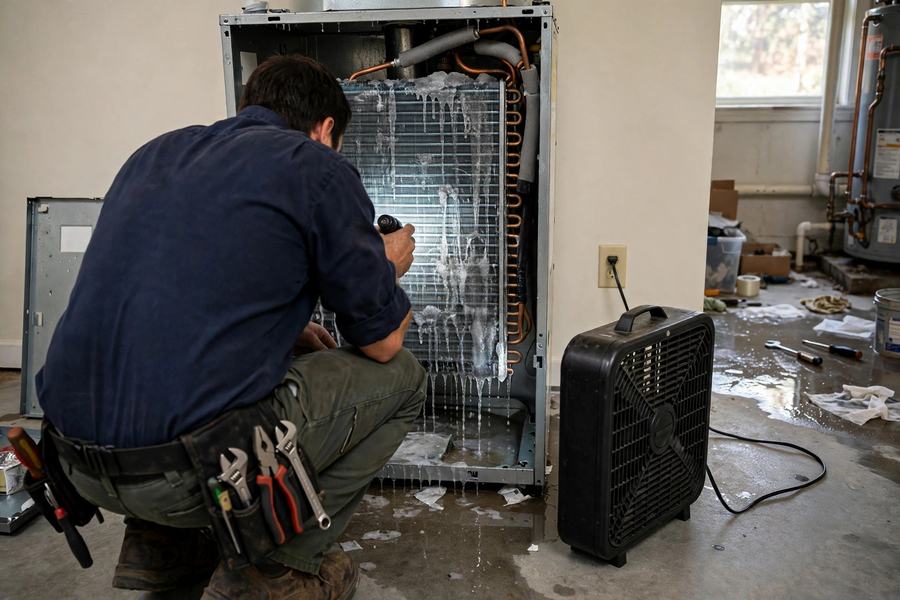
- Ice on the refrigerant line or the indoor coil
- Short cycling, clicking, or a breaker that trips on startup
- One room always hotter or colder than the rest
- A condensate drain that overflows or a float switch that keeps cutting the system off
What the job involves
What affects the price
- Fault type: airflow, charge, controls, or a wear part at end of life
- System age and whether the repair buys real service years
- Duct condition and the rooms the system fails to serve
- Equipment size matched by load calculation, not by the old nameplate alone
- Permit and code items on replacement work
When it is an emergency
No heat in freezing weather, no cooling in extreme heat with infants or elderly residents at home, a burning smell, or a breaker that trips on startup are the emergency cases. Ice on lines and short cycling deserve a prompt visit before the compressor pays for the delay.
PLACEHOLDEREmergency HVAC Service across the Littleton area
Related services
Furnace & Heating Repair
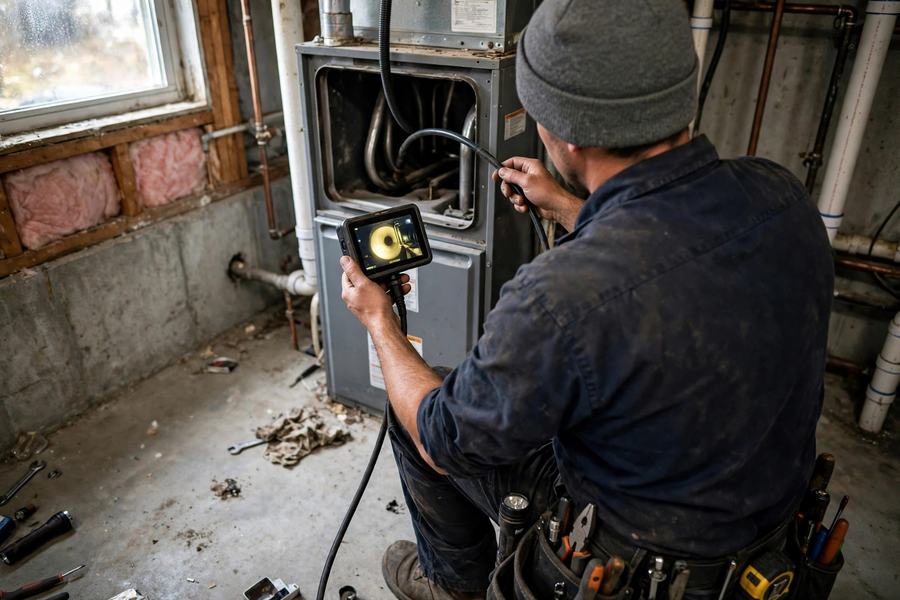
Furnace repair in Littleton, from first-freeze ignitor failures downtown to second-system verdicts in Highlands Ranch.
AC Repair
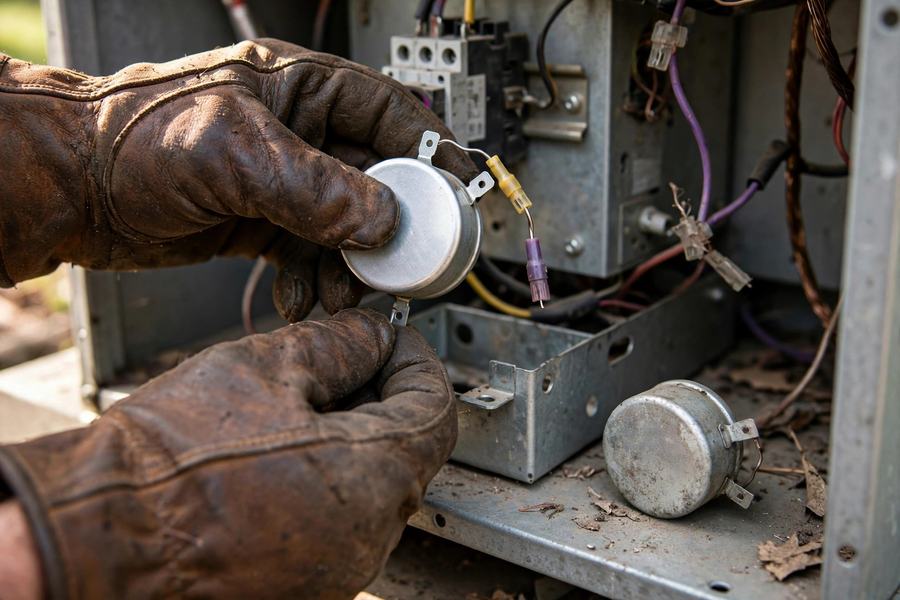
AC repair for Littleton homes where altitude, cottonwood-clogged coils, and 1990s systems set the diagnosis order.
HVAC System Replacement
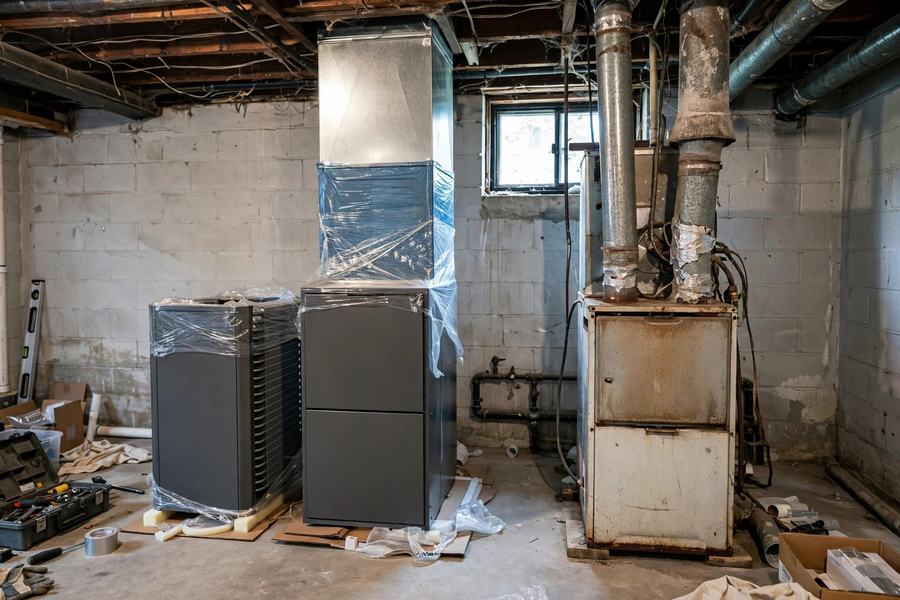
System replacement in Littleton with the altitude derating and gas setup named in the written scope, not assumed.
Heat Pump Repair & Installation
Heat pump service in Littleton, including the dual-fuel balance point settings this climate actually needs.
Emergency HVAC Service questions, answered
When is emergency hvac service an emergency?
No heat in freezing weather, no cooling in extreme heat with infants or elderly residents at home, a burning smell, or a breaker that trips on startup are the emergency cases. Ice on lines and short cycling deserve a prompt visit before the compressor pays for the delay.
What affects the price of emergency hvac service in Littleton?
The main price factors for emergency hvac service are covered in the cost section above. The contractor confirms the exact price in a written estimate after seeing the job, and nothing is owed until you approve it. The call and the referral are free.
Does homeowners insurance cover HVAC damage in Littleton?
Only when a covered event causes it. Wear, age, and mechanical failure are maintenance and are not covered anywhere. Lightning strikes and power surge damage from a storm event, and fire or storm damage to equipment, are the covered kind, subject to your deductible, and they need documentation: the storm date, the surge evidence, and a technician's finding that ties the failure to the event. A compressor that dies of age in the same week as a storm is still age unless the electrical evidence says otherwise, which is why the diagnosis report matters.
My heat pump blows air that feels cold in heat mode. Is it broken?
Probably not on that evidence alone. Heat pumps deliver air at roughly 90 to 100 degrees, below skin temperature, so it feels cool on your hand while still heating the house; a furnace delivers noticeably hotter air in shorter bursts. The real tests are whether the house holds its set point, whether ice on the outdoor unit clears in defrost, and whether auxiliary heat is running constantly (the electric bill notices that one). If the house drifts colder while the unit runs, or the unit stays iced, that is a service call with a real fault behind it.
Does altitude really change an HVAC quote in Littleton?
Yes, on the replacement side. At about 5,700 feet, air carries less heat per cubic foot and gas appliances burn differently, so equipment is derated and set up for elevation. A quote that ignores it can undersize the house for the coldest week or leave a furnace running rich. Repairs to parts are unaffected; sizing and gas setup are where altitude belongs in writing.
Request a callback
Prefer to talk later? Leave your details and an independent local pro will call you back. No charge to you, no obligation.
Chatfield Heating and Air is a free referral service. Submitting this form connects you with independent local contractors who provide the work.